


Overview of Die Casting in the Automotive Industry
Die casting is an important manufacturing process in the automotive industry. It allows for the efficient production of complex parts that are both lightweight and durable. Here’s a closer look at its significance and the key materials used.
Significance of Die Casting in Automotive Manufacturing
Die casting is essential for making various automotive parts. This method creates components with high precision and consistent quality. It is especially useful for interior parts like door handles, dashboard components, and seat frames.
The process is efficient and supports mass production, which lowers the cost of manufacturing. Die casting also allows for intricate designs, giving designers flexibility. This helps manufacturers produce lighter parts, which can improve fuel efficiency in vehicles.
In summary, employing die casting in automotive manufacturing leads to strong, reliable, and well-designed parts.
Key Materials: Aluminum, Magnesium, and Zinc Alloys
Various materials are suitable for die casting, but aluminum, magnesium, and zinc alloys are the most common in the automotive sector.
- Aluminum is lightweight and resistant to corrosion. This makes it a popular choice for many parts, enhancing the vehicle’s performance.
- Magnesium is even lighter than aluminum and adds strength. It is often used in applications where minimizing weight is crucial.
- Zinc alloys are known for their excellent dimensional accuracy and durability. They are ideal for parts that require fine details.
Using these materials improves performance and durability of automotive parts while also ensuring they meet safety standards. Each material has specific advantages, making them well-suited for different applications in the automotive industry.
Benefits of Die Casting for Automotive Parts
Die casting offers significant advantages for automotive parts, particularly in durability and weight reduction. These benefits help improve vehicle performance and fuel efficiency, leading to a better driving experience.
Advancements in Durability and Performance
Die casting enhances the strength and durability of automotive parts. By using metals like aluminum and magnesium alloys, manufacturers create components that can withstand high temperatures and heavy wear. This results in parts that last longer and require less replacement.
- High Precision: The die casting process allows for precise mold designs, which helps in creating complex parts with tight tolerances.
- Resistance to Corrosion: Parts made from die-cast metals show good resistance to rust and corrosion. This is essential for maintaining the vehicle’s appearance and longevity.
In the end, you can expect reliable performance from die-cast automotive components, which reduces maintenance costs over time.
Improving Fuel Efficiency with Lightweight Components
Using lightweight components is crucial for improving fuel efficiency. Die casting allows for the production of parts that are lighter without sacrificing strength.
- Strength-to-Weight Ratio: Aluminum and magnesium alloys provide an excellent strength-to-weight ratio, making them ideal for automotive applications.
- Enhanced Performance: Lighter vehicles require less energy to operate, leading to improved acceleration and better handling.
As a result, you gain a more efficient vehicle that not only performs better but also uses less fuel, saving you money in the long run.
Die Casting Processes and Materials
Die casting is a key method in creating automotive interior parts. It offers a precise way to shape materials, primarily aluminum and magnesium alloys, tailored for specific applications. Understanding the properties of these materials and recent innovations in the process can help you appreciate their importance in manufacturing.
Comparing the Properties of Aluminum and Magnesium Alloys
Aluminum alloys are often preferred in the die casting process due to their strong strength-to-weight ratio and excellent corrosion resistance. They can produce intricate designs, making them suitable for various interior components like housing for electronic devices.
On the other hand, magnesium alloys are gaining popularity. They are lighter than aluminum and offer good mechanical properties. Magnesium die casting is particularly useful when weight reduction is critical, such as in dashboard components.
| Properties | Aluminum Alloys | Magnesium Alloys |
| Weight | Heavier than magnesium | Lighter than aluminum |
| Strength | High | Good mechanical properties |
| Corrosion Resistance | Excellent | Moderate |
Innovations in Die Casting Manufacturing Process
Recent advancements in die casting technology have made the process more efficient and cost-effective. Techniques such as semi-solid casting enhance the material flow and reduce defects in parts.
Automation also plays a significant role in improving precision. Modern machines can monitor and adjust parameters in real-time, which helps in producing high-quality components consistently.
Additionally, the use of advanced molds has improved durability and reduced production times. These innovations ensure that automotive interior parts not only meet strict quality standards but also support the trend towards lighter and more efficient vehicles.
Specific Applications of Die Casting in Vehicles
Die casting plays a vital role in various components of vehicles. This section highlights its specific applications in engine components and interior electronic parts. These applications show how die casting enhances performance, weight savings, and precision.
Engine Components: Blocks and Structural Parts
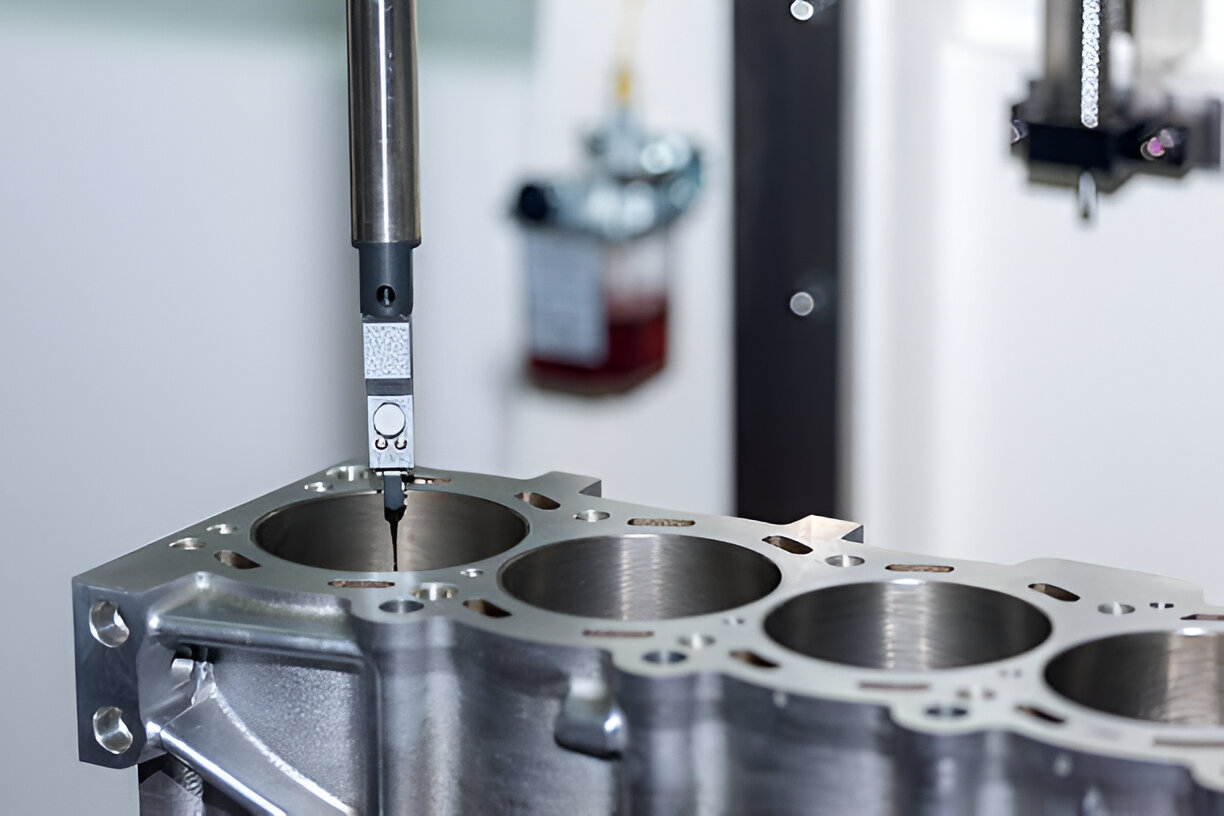
In vehicles, die casting is crucial for making engine components. Engine blocks, for example, are formed using this method for their strength and durability. The ability to create complex shapes with high precision means that parts fit together perfectly.
Here are some key aspects:
- Weight Reduction: Using aluminum die casting helps lower the overall weight of engines.
- Heat Resistance: Cast parts can handle high temperatures, which is essential for engine performance.
- Cost Efficiency: Mass production lowers costs while maintaining quality and precision.
Transmission components also benefit from die casting. These parts require durability and accuracy, making die casting a perfect choice.
Interior and Electronic Component Applications
Die casting is useful for producing various interior parts in vehicles. For instance, you will find die-cast electric covers that protect sensitive electronic components. These covers are lightweight yet strong, ensuring safety and efficiency.
Important points include:
- Design Flexibility: Die casting allows for unique designs that enhance the car’s interior look.
- Quick Production: The process supports rapid mass production of parts, speeding up the manufacturing timeline.
- Improved Durability: The high quality of die-cast components leads to longer-lasting interior parts that can withstand wear.
As electric vehicles grow in popularity, die casting remains essential for producing lightweight and strong components that support advanced technologies.
Sustainability and Cost-Effectiveness in Die Casting
Die casting plays a significant role in creating sustainable automotive parts. By prioritizing recyclable materials and efficient production methods, you can achieve both environmental benefits and cost savings.
Environmental Benefits of Using Recyclable Metals
Using recyclable metals, such as aluminum, greatly enhances sustainability in die casting. Aluminum can be melted down and reused multiple times without losing its properties. This reduces the need for new raw materials, which conserves natural resources.
Moreover, recycling aluminum saves up to 95% energy compared to production from virgin materials. This not only lowers production costs but also minimizes greenhouse gas emissions.
By choosing recyclable options, you are supporting eco-friendly practices in the automotive industry and playing a part in reducing overall waste. This approach aligns with growing consumer demand for sustainable products.
Balancing Quality and Efficiency for Cost Reduction
Cost-effectiveness in die casting comes from optimizing both quality and efficiency. The die casting process is known for producing high-quality parts with precise dimensions, which reduces the need for extensive rework.
By focusing on advanced techniques, you can speed up production times. A faster production cycle means lower labor and operational costs, which directly benefits your bottom line.
Investing in sustainable manufacturing methods not only helps the environment but also increases your competitiveness. Streamlined processes, combined with the use of recyclable materials, foster a balance between maintaining high quality and lowering costs. This synergy is essential for meeting market demands effectively.
Trends and Future of Automotive Die Casting
Automotive die casting is evolving rapidly, especially with the rise of electric vehicles and innovative design needs. These changes enhance vehicle performance and allow for more durable components in automotive applications.
Evolving Role of Die Casting in Electric Vehicle Production
Electric vehicles (EVs) are pushing the limits of what die casting can achieve. As you build lightweight and efficient cars, you’ll notice that aluminum die castings are key. They help reduce weight, which improves battery efficiency and vehicle range.
The demand for complex shapes and designs in EVs increases the need for advanced die casting techniques. These processes allow you to create intricate components that meet performance and safety standards. For example, die casting enables the production of parts like battery enclosures and structural supports that must endure high stress.
Influence on Automotive Design and Innovation
Design flexibility is a major benefit of using die casting in automotive parts. With die casting, you can create intricate designs that traditional methods cannot achieve. This means you can integrate multiple parts into a single component, reducing assembly time and potential weaknesses.
As you look at the future, expect to see more innovative applications. Die casting technology allows for custom features that improve vehicle functionality. It can enhance aesthetic appeal while ensuring that components remain durable.
Materials like magnesium and advanced aluminum alloys further boost design possibilities, helping to create sleek and efficient vehicle interiors. The focus is not just on manufacturing but also on improving the overall driving experience.
